

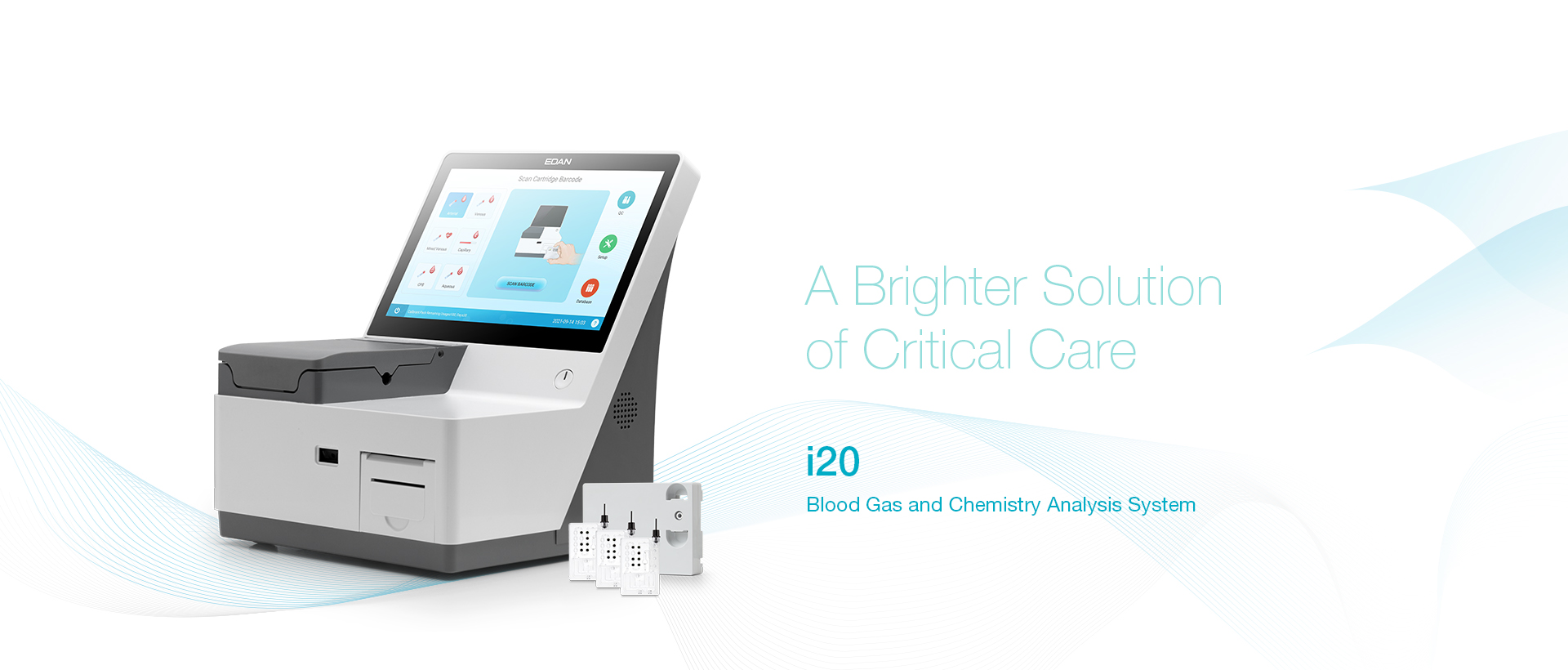
In emergency departments, critical care units, and rapid triage settings, the user interface of diagnostic tools can significantly influence clinical efficiency. Comfort in navigation, clarity of results, and simplicity of operation all contribute to performance under pressure. For healthcare teams relying on point-of-care equipment, evaluating UI ergonomics is essential to support accurate POCT blood test execution. Devices like the EDAN i20 demonstrate how thoughtful interface design enhances usability in demanding clinical scenarios.
Importance of UI Design in Clinical Diagnostics
When clinicians work in high-stress environments, every second counts. A well-configured blood gas analyser interface ensures that essential data is accessible instantly, without time wasted deciphering complex menus. Clear visual cues and logically organized test results allow teams to focus on decision-making rather than managing the instrument. This ease of use also reduces the cognitive burden on operators, especially during peak patient flow or in situations requiring rapid diagnostics.
Functional UI Features for Better Workflow
User interface ergonomics involve several aspects of design and workflow integration. The readability of displays in bright or dim lighting, quick access to frequently used functions, and consistent touch responsiveness all matter. A platform like the EDAN i20 puts these principles into practice with intuitive menus, high-contrast screens, and straightforward navigation paths that support fast POCT blood test procedures. These features contribute to reliable operation even when clinicians must multitask or switch rapidly between patients.
Training and Adoption Considerations
Smooth adoption of a blood gas analyser in any care setting often hinges on how easily staff can become proficient with the device UI. Ergonomic interfaces reduce the learning curve, enabling quicker onboarding and minimizing errors that arise from unfamiliarity. The EDAN i20’s design supports consistent performance across users with varying levels of experience, promoting confidence and competence in daily use. This also diminishes the need for extensive training sessions and ongoing supervision.
Conclusion
UI ergonomics play a crucial role in the effectiveness of point-of-care diagnostic tools, particularly in high-stress environments where clarity and speed are paramount. By emphasizing intuitive design and operational efficiency, solutions such as the EDAN i20 support more productive POCT blood test workflows and enhance user satisfaction. Thoughtful interface design in a blood gas analyser is not just about aesthetics it influences accuracy, speed, and overall clinical performance in real-world healthcare settings.
