

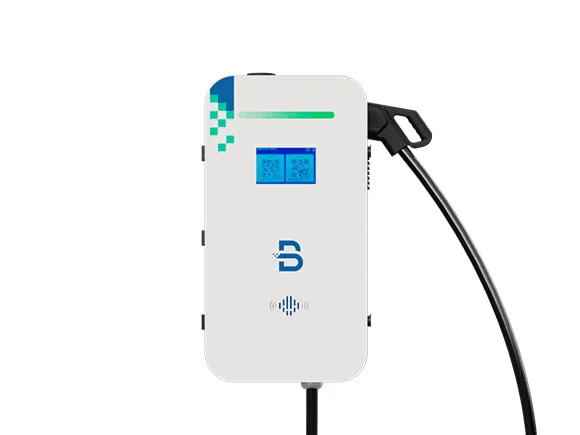
Power electronics form the critical interface between the electrical grid and an electric vehicle’s battery, governing the safety and precision of high-power energy transfer. This technology manages the conversion and conditioning of electrical current, ensuring the process adheres to strict operational parameters. For providers like EVB, integrating advanced power electronics is fundamental to developing secure EV fast charging technology. These systems are integral to both stationary and compact systems, such as a portable DC fast charger for EV.
Precise Conversion and Current Regulation
A core safety function lies in the accurate conversion of alternating current to the direct current required by vehicle batteries. Power electronic components regulate voltage and amperage with high fidelity throughout the charging cycle. This precise control within an EV DC fast charger prevents electrical stress on battery cells, a key factor in maintaining long-term battery health and operational safety. Mismanagement of this conversion poses risks, which robust EV fast charging technology is designed to mitigate.
Thermal Management and System Monitoring
High-power charging generates significant heat. Power electronic systems incorporate sophisticated thermal management, using sensors and control algorithms to monitor component temperatures. This continuous oversight allows the system to modulate power output to prevent overheating, a crucial feature for the confined space of a portable DC fast charger for EV. Effective heat dissipation protects internal components from damage and reduces fire risk, directly enhancing the safety profile of the EV fast charging technology.
Fault Detection and Rapid Isolation
These systems provide continuous diagnostic capabilities. They can detect irregularities such as ground faults, insulation failures, or communication breakdowns between the charger and the vehicle. Upon identifying a fault, the power electronics in an EV DC fast charger can initiate an immediate shutdown or reduce power output. This rapid isolation capability contains potential hazards, protecting both the user and the equipment from electrical damage.
The implementation of sophisticated power electronics is therefore a primary determinant of safety in high-power charging. These systems deliver the precise control necessary for reliable operation of an EV DC fast charger while actively managing thermal and electrical faults. This engineering focus ensures that advancements in EV fast charging technology, including mobile units like a portable DC fast charger for EV, prioritize protective measures alongside performance gains.
