

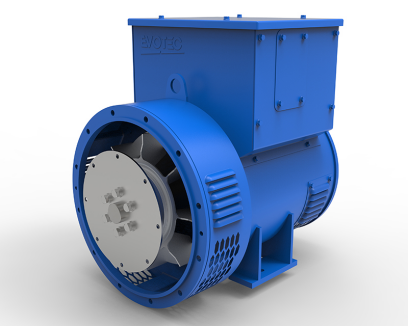
Constructing a reliable power plant requires careful selection of internal components. Within a complete 480V generator setup, the mechanical engine and the electrical alternator must work together to support industrial operations. Specifying the correct alternator for these heavy-duty gensets helps project managers maintain stable power output for continuous applications. Understanding how targeted structural design and specialized manufacturing focus contribute to overall system reliability may assist engineering teams in making informed procurement decisions for complex commercial infrastructure.
Clarifying Component Roles Within Gensets
A complete industrial power unit is not a single piece of machinery. It consists primarily of a mechanical prime mover and an electrical conversion unit. While the engine provides the necessary rotational force, the alternator handles the demanding task of converting that physical energy into usable alternating current. When sourcing parts for industrial deployments, distinguishing between these two components is a primary consideration for engineering, procurement, and construction (EPC) contractors.
Partnering with a specialized component supplier that focuses strictly on the electrical side of the system offers strategic advantages. Manufacturers dedicated to alternating current hardware can direct their operational bandwidth toward refining this specific conversion process. This focused approach supports a versatile product range, including low voltage, high voltage, marine, and customized alternators.
By supplying the dedicated electrical component rather than assembling complete units, these manufacturers help facility operators tailor their power architecture to meet specific project demands. This separation of manufacturing focus provides global generator builders with clear options when deploying equipment for mining locations, marine platforms, or expansive data centers.
Managing Spatial Constraints in Facility Layouts
Integrating heavy-duty electrical components into an industrial facility or a restricted marine engine room requires careful spatial planning. When building a complete 25kva generator system, the physical footprint of the combined machinery influences the overall shipyard or commercial building construction timeline. Large, cumbersome equipment can complicate the mechanical alignment process during initial assembly.
Procuring an alternator that features a compact structure design helps address these common physical limitations. A streamlined profile reduces the required installation space within the power plant. This deliberate spatial efficiency can lower overall installation costs, contributing to a more manageable assembly phase for engineering contractors.
Deploying equipment engineered for spatial efficiency may also provide assembly teams with adequate room to conduct standard mechanical integration. This strategic sizing approach helps industrial developers optimize their operational layouts, which supports the initial planning and deployment of complex auxiliary power architectures across demanding industrial sectors.
Supporting Long-Term Reliability with Premium Materials
Operating continuously in demanding sectors like oil and gas exploration or offshore marine environments subjects power equipment to constant operational stress. The internal electrical hardware of a genset must endure heavy use to support critical infrastructure. To manage these rigorous industrial realities, careful material selection during the manufacturing phase remains a foundational requirement.
Professional component suppliers prioritize the strict use of premium raw materials throughout their structural assembly processes. Relying on high-grade manufacturing inputs helps support reliable performance when the electrical hardware faces continuous operation. This commitment to material quality is fundamental to maintaining the core operational capability of the industrial facility.
Utilizing premium materials contributes to a long service life for the alternating current hardware. By specifying a structurally sound alternator component, EPC contractors can help minimize the frequency of large-scale component replacements. This deliberate sourcing strategy assists operators in maintaining consistent power output while potentially lowering the long-term capital maintenance costs associated with heavy industry deployments.
Advancing Hardware Through Focused Research
Constructing reliable power systems involves collaborating with manufacturing brands that prioritize continuous product development. Companies maintaining independent R&D capabilities can focus their engineering efforts strictly on improving the electrical conversion framework. This dedicated industrial approach may yield valuable structural advancements that support the long-term operation of the complete power generation set within constrained environments.
Behind EvoTec’s alternator range is a design portfolio that includes 45 nationally registered industrial design patents. These patented industrial designs contribute to a reliable product range tailored for heavy-duty applications. Access to this level of specialized technical development provides industrial builders with clear structural options when planning complex, budget-conscious infrastructure layouts.
By leveraging specialized engineering, procurement teams can select an alternator architecture that matches their specific operational needs. Relying on focused product development supports the stable electrical foundation of the commercial building, helping to maintain stable power generation while assisting facility managers in meeting their long-term operational targets.
Protecting Industrial Investments with Stable Logistics
Beyond structural engineering and material choices, the logistical foundation of equipment sourcing plays a role in managing overall project success. Constructing expansive infrastructure requires adherence to sequential assembly timelines. If critical electrical components arrive late, assembly teams might face project delays, which can escalate operational expenses for the contracted industrial builders.
Partnering with a dedicated supplier that maintains stable production capacity helps keep complex construction schedules on track. Fast delivery of engineered industrial components supports timely, organized facility installations. This predictable logistical flow contributes to proper mechanical alignment procedures and helps project managers support their initial construction budgets.
Additionally, deploying equipment that is supported by dependable post-installation coverage provides valuable financial security for industrial operators. Hardware backed by a standard 24-month warranty coverage helps protect the initial capital investment from unexpected issues. This robust protection offers developers essential support for the long-term operation of the power plant or marine vessel.
Strategic Procurement for Power Generation
Prioritizing specialized electrical hardware helps operators build resilient power systems for the demanding industrial sector. By focusing on compact structural layouts, premium raw materials, and independent R&D, procurement teams can support the electrical stability of their infrastructure. Sourcing these critical components from a dedicated alternator manufacturer like EvoTec Power may provide the reliable alternating current foundation needed to contribute to successful, long-term continuous power generation.
