

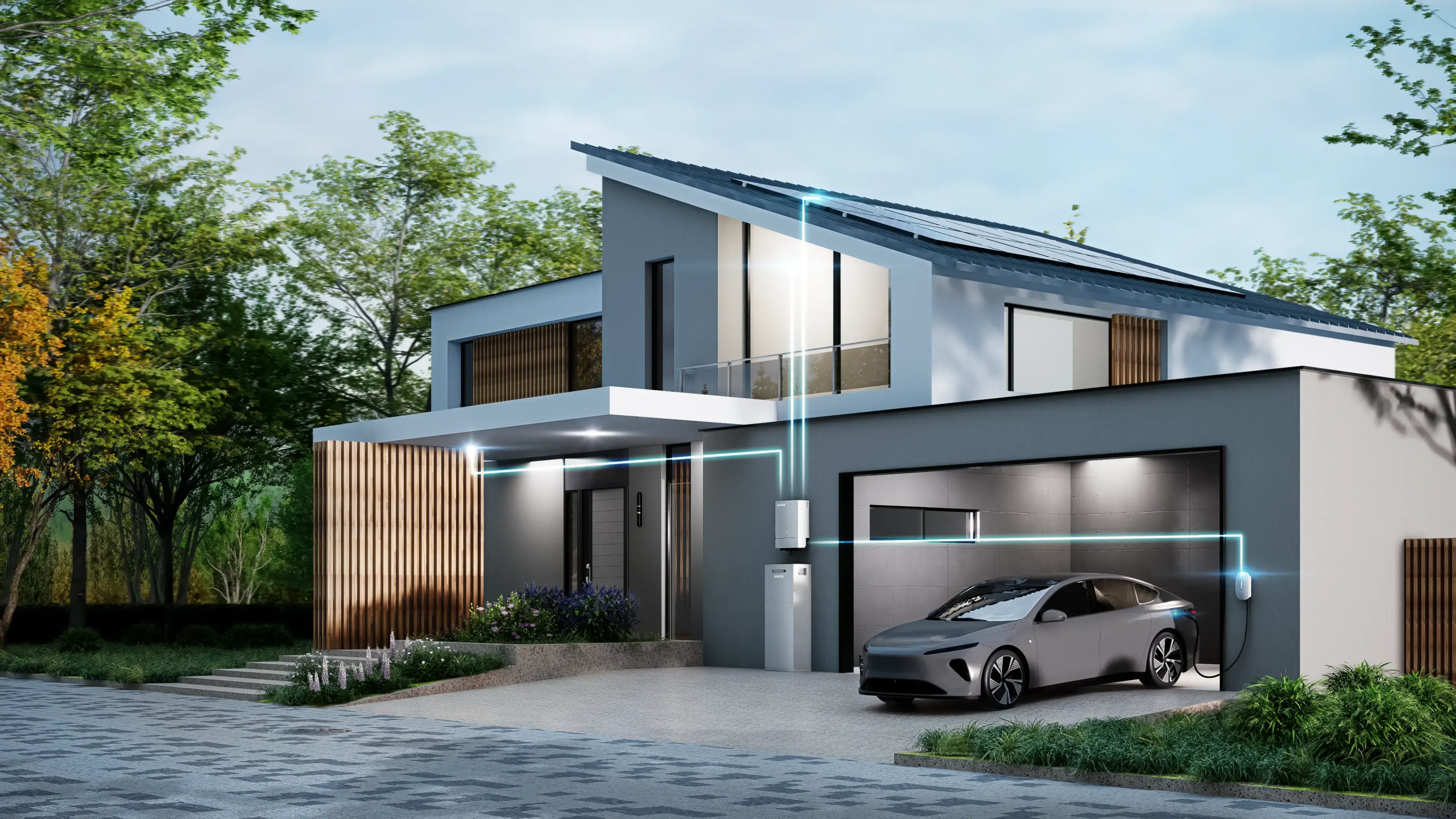
For commercial and industrial energy projects, sizing an ess solar battery correctly is a key design decision that directly impacts system profitability and operational stability. WHES, a provider of industrial-grade energy storage solutions, supports EPC contractors, developers, and energy managers in deploying optimized ess battery configurations that align with solar generation profiles and site-level demand requirements. In B2B solar-plus-storage projects, accurate matching determines whether a system delivers maximum economic value or underperforms due to poor utilization.
System Design Factors in ESS Battery Sizing
From an engineering perspective, matching an ess battery with a solar array requires evaluating peak generation output, daily load curves, and dispatch strategy. A misaligned system can lead to either energy curtailment or underutilized storage capacity, both of which reduce project ROI. A properly configured ess solar battery ensures that excess photovoltaic energy is stored during peak production and discharged during high-demand periods. WHES high-voltage LFP platforms are designed to support scalable architecture, enabling flexible configuration for different project sizes and commercial scenarios.
Technical Performance Requirements for Solar Integration
In large-scale deployments, system performance determines long-term financial viability. Key parameters such as round-trip efficiency, cycle life, and thermal stability directly influence how effectively an ess battery operates under continuous solar cycling conditions. A high-performance ess solar battery must maintain stable output even under fluctuating environmental and load conditions. WHES integrates lithium iron phosphate (LFP) technology into its systems, ensuring long lifecycle performance and consistent energy throughput, which is critical for commercial solar applications focused on predictable returns.
WHES Value in Commercial ESS Battery Deployment
WHES delivers high-voltage LFP-based ess battery solutions tailored for commercial and industrial solar applications. Its modular system design allows developers to scale storage capacity in alignment with phased solar expansion, reducing upfront oversizing risks. In practical ess solar battery deployments, WHES systems help improve self-consumption ratios, reduce peak demand costs, and enhance overall energy autonomy. For B2B stakeholders, this translates into more predictable project economics and improved long-term asset performance across the system lifecycle.
