

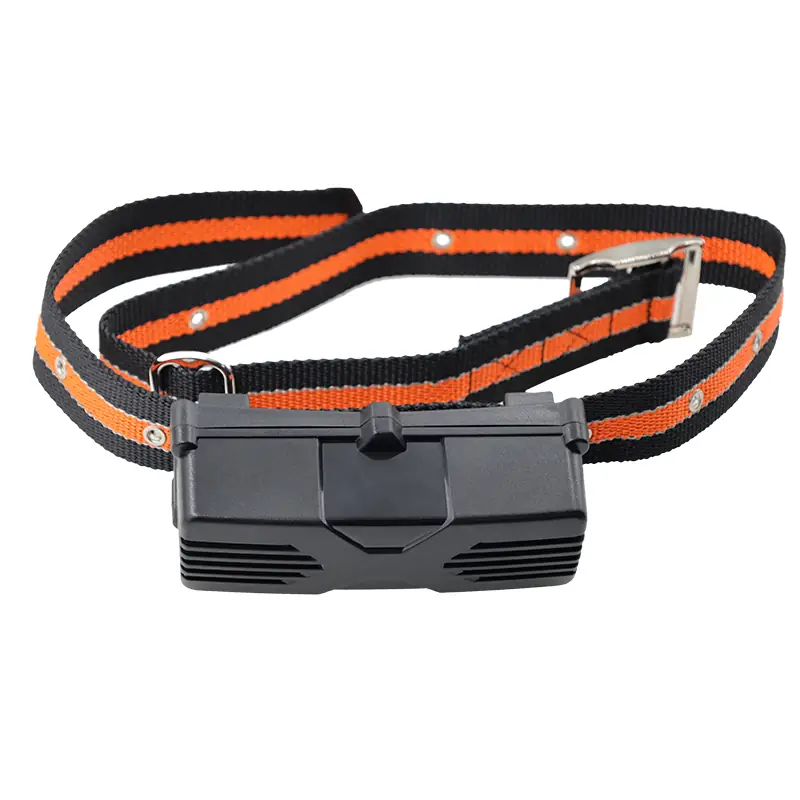
Livestock management in remote agricultural areas requires communication systems that can provide stable data transmission without creating excessive infrastructure complexity. Ranches may operate across wide geographic areas where traditional connectivity methods are not always suitable for continuous animal monitoring. HKT LORA develops LoRaWAN-based livestock tracking solutions that combine GPS positioning technology and wireless communication to support flexible deployment for different agricultural environments.
The HKT-GAT-100 LoRaWAN GPS Cattle Tracker is designed for cattle and sheep tracking applications. The device collects GPS location information and uploads data through LoRaWAN gateways according to selected schedules. With wireless configuration through the network server, the system provides businesses with a practical approach to managing livestock information remotely.
Selecting Suitable LoRaWAN Network Architecture for Livestock Applications
A successful livestock monitoring system depends not only on tracking hardware but also on the communication infrastructure that manages device data. Different ranches may choose different network approaches based on operational requirements, existing resources, and deployment environments.
A lorawan animal tracker can operate within LoRaWAN network environments that include end devices, gateways, and network servers. The HKT-GAT-100 is based on LoRaWAN communication technology, allowing businesses to integrate the tracker into compatible network structures for remote livestock monitoring.
For agricultural companies, choosing between public and private LoRaWAN networks depends on factors such as coverage requirements, system management preferences, and local connectivity conditions.
Connecting Tracking Devices With Public LoRaWAN Infrastructure
Public LoRaWAN networks provide an option for businesses that prefer to use existing network resources rather than building all communication infrastructure independently. This approach can simplify deployment in areas where suitable coverage is already available.
The HKT-GAT-100 supports LoRaWAN communication, allowing GPS location data from livestock collars to be transmitted through compatible gateways. Data can then be processed by the connected network server environment for remote monitoring applications.
For farms and ranches that operate across multiple locations, public LoRaWAN infrastructure may provide additional flexibility. Businesses can evaluate available network coverage and select an approach that matches their operational requirements.
Building Private Networks for Dedicated Ranch Management
Private LoRaWAN networks provide businesses with greater control over communication infrastructure. This option is commonly considered when organizations require dedicated monitoring systems or operate in locations where public network coverage may not meet project requirements.
A lorawan animal tracker deployed in a private network environment can communicate through company-managed gateways and network servers. The HKT-GAT-100 supports remote livestock tracking scenarios by transmitting location data through LoRaWAN gateways according to configured settings.
For large ranches, private networks can help businesses create customized monitoring solutions based on specific grazing areas, herd management processes, and data management requirements.
Managing Device Communication Through Network Servers
The network server plays an important role in LoRaWAN system operation. It manages communication between tracking devices and application platforms while handling device connections and data transmission processes.
The HKT-GAT-100 collar can be programmed wirelessly by the network server, allowing users to modify location and data transfer plans remotely. This function reduces the need for repeated physical access to tracking devices installed on livestock.
Remote configuration provides operational flexibility for businesses managing changing agricultural conditions. Ranch operators can adjust monitoring settings according to different livestock management plans and application requirements.
Supporting Flexible Deployment Across Different Ranch Sizes
Livestock businesses have different monitoring needs depending on herd numbers, land area, and management methods. A scalable communication system allows companies to expand tracking capabilities gradually.
The HKT-GAT-100 is designed for applications ranging from smaller livestock operations to large herd management scenarios. Its LoRaWAN-based communication method supports scalable deployment by allowing businesses to add tracking devices according to actual requirements.
This flexibility helps agricultural companies build monitoring systems without requiring a fixed deployment model. Businesses can select public or private network solutions based on their operational environment.
Integrating Location Data With Livestock Management Platforms
Network compatibility is important because livestock tracking systems need to connect collected information with management applications. The communication process should support efficient data transfer from devices to platforms where operators can review information.
The HKT-GAT-100 sends GPS location data through LoRaWAN gateways, enabling businesses to access livestock location information through connected systems. The device also supports functions such as geofencing, herd counting assistance, and livestock behaviour data collection.
By integrating tracking information with management platforms, ranch operators can improve visibility into livestock distribution and support more structured operational decisions.
Maintaining Reliable Connectivity in Remote Agricultural Areas
Remote ranch environments often create challenges for communication system deployment. Large grazing areas, limited infrastructure, and changing field conditions require technologies that can support distributed monitoring.
LoRaWAN communication provides a suitable foundation for low-power wide-area IoT applications. The HKT-GAT-100 uses LoRaWAN technology to transmit livestock location information through compatible gateways, helping businesses establish remote tracking systems.
For agricultural companies, selecting an appropriate network structure is an important step in ensuring consistent data collection and efficient livestock management.
Considering Security and Operational Control Requirements
Network selection also involves evaluating management control and system operation requirements. Businesses need to understand how devices, gateways, servers, and platforms work together within the complete monitoring system.
Private LoRaWAN networks can provide organizations with direct control over infrastructure management, while public networks may offer easier access where existing services are available. The HKT-GAT-100 supports flexible integration with LoRaWAN-based systems, allowing companies to select suitable deployment methods.
This adaptability helps businesses create livestock monitoring solutions that align with their technical resources and operational objectives.
Developing Adaptable Livestock IoT Solutions With HKT LORA
Modern livestock management requires communication systems that can adapt to different environments and business requirements, and the combination of GPS tracking, LoRaWAN connectivity, and network server compatibility provides a practical foundation for remote animal monitoring. HKT LORA develops IoT solutions for agricultural applications, including the HKT GAT 100 LoRaWAN GPS Cattle Tracker; by supporting LoRaWAN based communication, wireless configuration, and remote livestock monitoring functions, HKT LORA helps businesses build flexible tracking systems for cattle and sheep management. Reliable livestock monitoring depends on selecting the right combination of devices, networks, and management platforms, as public and private LoRaWAN networks each provide different approaches for connecting tracking devices with operational systems. HKT LORA continues to focus on practical IoT solutions that support agricultural digitalization, and through the HKT GAT 100, businesses can develop livestock tracking systems based on adaptable LoRaWAN network compatibility, helping improve monitoring efficiency and strengthen data based ranch management processes.
