

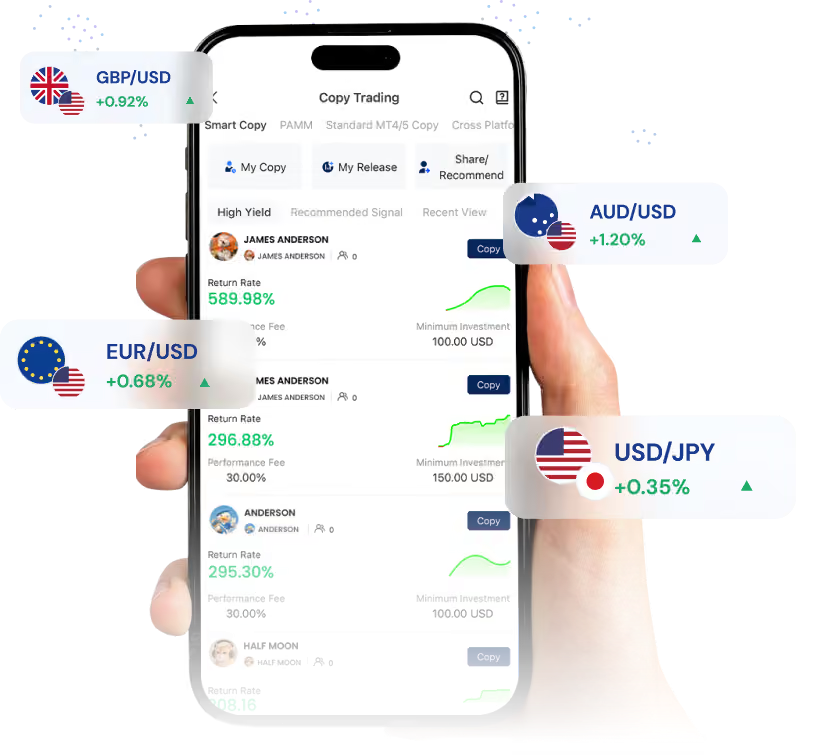
Trading in financial markets requires investors to make decisions based on market analysis, risk management, and personal strategies. While traditional manual trading remains a popular approach, copy trading has become an alternative option for traders who prefer a more accessible way to participate in the markets. Understanding the differences between these two approaches can help investors decide which method better matches their experience, time commitment, and trading goals.
A reliable copy trading platform allows users to follow experienced traders and automatically replicate their strategies, while manual trading requires individuals to analyze markets and execute trades independently. Platforms such as GTCFX provide copy trading services where users can review trader performance, select strategies, and manage their allocations based on their preferences.
What Is Manual Trading?
Manual trading refers to a traditional approach where traders independently analyze market conditions and make their own investment decisions. Traders usually study price movements, economic data, technical indicators, and market trends before opening or closing positions.
This method provides complete control over every trading decision. Experienced traders can adjust their strategies according to changing market conditions, apply personal risk management techniques, and develop their own trading style.
However, manual trading also requires significant time and knowledge. Traders need to continuously monitor markets, understand different financial instruments, and manage emotions during periods of volatility. For beginners, building these skills can take considerable effort and experience.
What Is Copy Trading?
Copy trading is a trading method that allows users to automatically follow the positions of selected traders. Instead of analyzing every market movement independently, users can choose a trader based on available performance data and copy their trading activity.
A professional copy trading platform typically provides information such as historical performance, trading frequency, risk levels, and strategy details. This transparency helps users compare different traders before deciding which approach fits their objectives.
With GTCFX copy trading, users can browse trader profiles, evaluate performance information, select a strategy, and automatically copy trades while maintaining control over their accounts. This structure makes copy trading an option for those who want exposure to trading strategies without managing every position manually.
Key Difference One: Decision Making Process
The biggest difference between copy trading and manual trading is who makes the trading decisions.
In manual trading, the investor is responsible for market research, trade selection, entry timing, and exit decisions. Success depends heavily on the trader’s own knowledge, experience, and ability to react to market changes.
In copy trading, the investment decisions are based on the selected trader’s strategy. The user chooses who to follow, but the actual trade execution is automated. This reduces the need for constant market monitoring but also means the user depends on the performance and risk management of the chosen trader.
For this reason, investors searching for legit copy trading platforms should carefully review trader statistics, platform transparency, and risk management features before committing funds.
Key Difference Two: Time and Experience Requirements
Manual trading generally requires more time because traders need to actively research markets and monitor their positions. It may be suitable for individuals who enjoy analyzing financial markets and developing independent strategies.
Copy trading is often considered more convenient for people with limited trading experience or time. By following experienced traders, users can learn from real market activities while participating in trading opportunities.
However, copy trading does not remove market risks. Past performance does not guarantee future results, and the selected trader’s strategy may experience losses. Investors should understand the risks involved and choose strategies that align with their own risk tolerance.
Key Difference Three: Level of Control
Control is another important distinction between the two methods.
Manual traders have direct control over every decision. They can adjust position sizes, change strategies, or exit trades whenever they believe market conditions require action.
Copy traders have indirect control. They can choose traders to follow, adjust investment allocations, pause copying, or stop following a strategy. However, they do not directly create each individual trade.
Many modern copy trading services aim to balance automation with flexibility by allowing users to monitor performance and manage their accounts. GTCFX highlights features such as strategy selection, performance tracking, and account control within its copy trading service.
How to Choose Between Copy Trading and Manual Trading?
The choice between copy trading and manual trading depends on personal objectives.
Traders who enjoy market research, have sufficient experience, and want full control may prefer manual trading. This approach allows them to create personalized strategies and make independent decisions.
Investors who are new to trading or have limited time may consider copy trading as a way to explore market participation while learning from experienced traders. However, selecting a trustworthy platform is essential.
When evaluating legit copy trading platforms, users should consider factors such as regulatory information, available trader data, risk management tools, fees, and platform reliability. A transparent platform should provide enough information for users to make informed decisions rather than simply encouraging them to follow a trader without analysis.
Why Consider GTCFX for Copy Trading?
GTCFX provides a copy trading environment designed to connect users with experienced traders and their strategies. The platform allows users to review trader performance, select suitable strategies, and monitor copied trades through its trading system.
For users comparing different copy trading options, the key consideration is not only convenience but also transparency and control. A suitable platform should help traders understand available strategies while providing tools to manage their accounts effectively.
Copy trading and manual trading serve different types of investors. Manual trading offers complete independence but requires greater knowledge and time, while copy trading provides a simpler approach by allowing users to follow experienced traders. Understanding these differences can help investors choose a method that matches their trading experience, goals, and risk preferences. As the popularity of copy trading continues to grow, selecting a transparent and reliable platform such as GTCFX can be an important step in building a more informed trading approach.
