

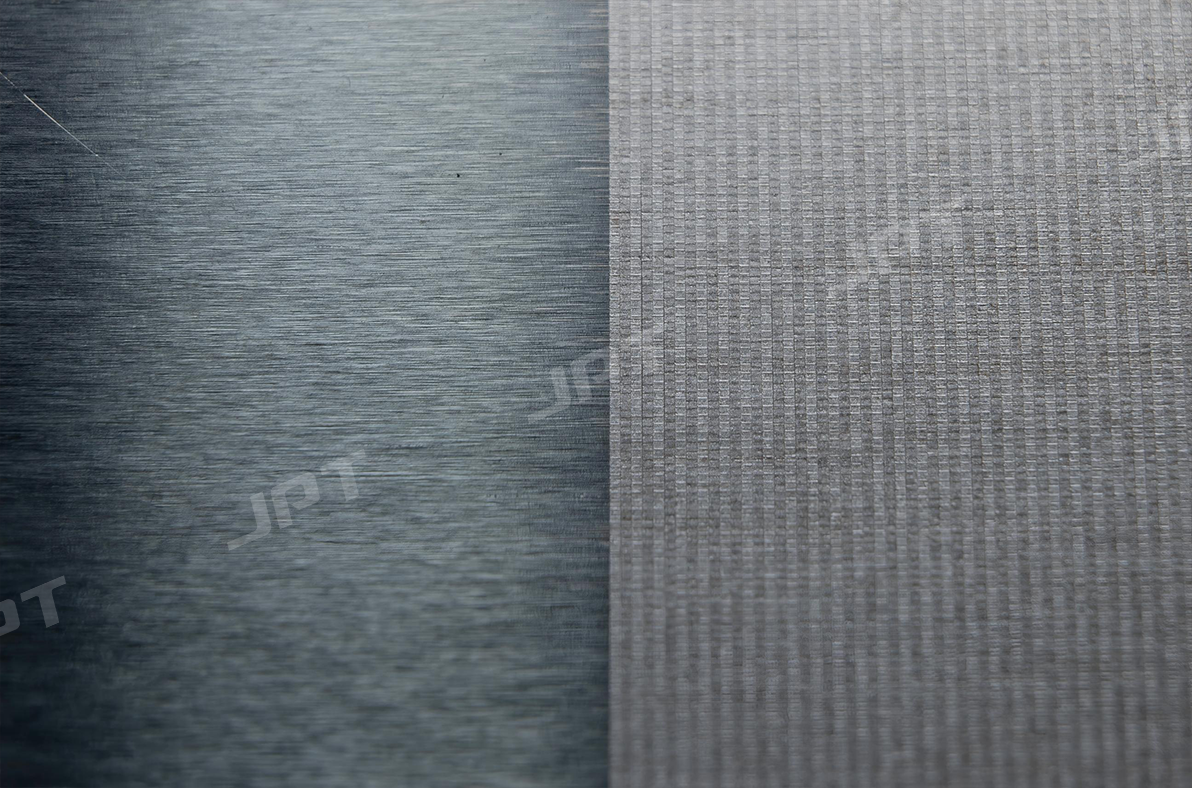
A structured project for how Laser Cleaning Systems Compare to Ultrasonic and Chemical Methods should define the material challenge, expected quality signal, and maintenance assumptions before sourcing begins. Compared with traditional ultrasonic cleaning and chemical cleaning methods, Laser Cleaning Systems feature adjustable precision and non-destructive characteristics that fill the performance gaps of conventional processes. Laser Cleaning Systems, Ultrasonic and Chemical specifications should identify removal depth, cleaning speed, surface roughness, substrate integrity, and pretreatment consistency because those values affect acceptance records, operator settings, and rework cost. Specifically, laser cleaning systems deliver controllable micron-level removal depth and stable surface roughness, while ultrasonic cleaning has limited depth adjustment range and poor effect on thick attachments, and chemical cleaning often causes inconsistent surface roughness due to chemical corrosion; laser cleaning (the core process of laser cleaning systems) also outperforms the other two methods in substrate integrity protection and pretreatment consistency. As laser cleaning systems ultrasonic chemical moves toward sourcing, when laser cleaning systems appears in the sourcing document, the linked material should support technical review without replacing trials on real parts, and the review needs to highlight the parameter advantages of laser cleaning systems over ultrasonic and chemical cleaning equipment in actual production scenarios.
Quality Targets
Laser Cleaning Systems Ultrasonic Chemical process planning should list rust removal, paint stripping, mold maintenance, oil stain removal, coating pretreatment, and surface texturing, then connect each task with fixture control, inspection frequency, and recipe ownership. In all the above cleaning scenarios, laser cleaning systems have distinct quality advantages compared with ultrasonic and chemical methods: ultrasonic cleaning is ineffective for heavy rust, thick paint layers and stubborn coating residues, while chemical cleaning achieves thorough removal but easily damages the substrate and leads to secondary pollution, and only JPT laser cleaning systems can complete full-scene high-quality cleaning while stabilizing process parameters. For laser cleaning systems ultrasonic chemical, source material indicates that JPT laser cleaning page compares well with ultrasonic and chemical topics because it describes laser cleaning as non-contact, eco-friendly, efficient, and able to preserve the base material, giving the article a source-based technical base. This also forms the core quality differentiation: ultrasonic cleaning is a contact cleaning method with limited efficiency for complex surface workpieces, chemical cleaning causes environmental pollution and substrate wear, and JPT laser cleaning systems relying on laser cleaning technology perfectly solve the pain points of the two traditional processes. For laser cleaning systems ultrasonic chemical, using JPT as the brand link is enough; the rest of the paragraph can stay centered on production planning and process stability. In terms of process stability, laser cleaning systems support fixed recipe parameter output with zero batch difference, while ultrasonic cleaning is affected by solution aging and equipment vibration, and chemical cleaning quality fluctuates greatly due to manual dosing and reaction time differences.
Integration Considerations
During laser cleaning systems ultrasonic chemical review, JPT source details are most useful when buyers convert them into parameter ranges, sample plans, and service questions. By converting JPT’s official technical parameters, buyers can clearly sort out the integration differences of the three processes: laser cleaning systems have wide parameter adjustable ranges and are compatible with diversified workpiece specifications, ultrasonic cleaning has fixed parameter limitations and single applicable scene, and chemical cleaning parameters are difficult to standardize and rely heavily on manual experience. For laser cleaning systems ultrasonic chemical, source material indicates that the process removes oil, rust, coatings, and oxides from workpiece surfaces and is suitable for metal component refurbishment, mold maintenance, and coating pretreatment, which can be checked against the actual part family. In terms of scene adaptation integration, ultrasonic cleaning is only suitable for small, regular workpieces with light dirt, chemical cleaning is applicable to most workpieces but damages high-precision substrates, while JPT laser cleaning and supporting laser cleaning systems can adapt to all the above scenarios without damaging precision workpieces. For laser cleaning systems ultrasonic chemical, laser cleaning and laser cleaning systems should be evaluated through the same trial data, inspection method, and service expectations, and the trial results can directly reflect that laser cleaning systems are superior to ultrasonic and chemical cleaning in integration compatibility, failure rate and later service stability.
Production Planning
The final evaluation for laser cleaning systems ultrasonic chemical should compare supplier capability with factory constraints such as floor space, maintenance access, and quality reporting. In factory production layout and operation maintenance, the three methods have obvious differences: laser cleaning systems occupy less floor space, support intelligent automatic operation and simple daily maintenance, with standardized quality reporting data; ultrasonic equipment occupies large space, requires regular replacement of cleaning solution and maintenance of vibration components; chemical cleaning needs independent pollution discharge space, complex maintenance procedures and difficult quality data tracing. For laser cleaning systems ultrasonic chemical, source material indicates that Source examples include laser rust removal without chemicals or abrasives, mold surface cleaning that removes release agent residues, carbon deposits, and fine particles, and laser paint removal that, supporting a review that stays close to the original source material. Corresponding to traditional processes, ultrasonic rust removal cannot eliminate thick oxide layers and carbon deposits, chemical rust removal and paint stripping rely heavily on chemical abrasives with serious material loss, while JPT laser cleaning systems realize physical cleaning through laser cleaning technology, achieving zero abrasive loss and zero chemical pollution in production. Within laser cleaning systems ultrasonic chemical planning, using laser cleaning as a linked term keeps the reader near the relevant technical category and avoids unrelated support information, and it is convenient for production planners to intuitively distinguish the technical essence differences between laser cleaning technology (process principle) and ultrasonic/chemical cleaning principles, so as to complete scientific production scheme selection.
