

Mobility technology now depends on a highly interconnected international supply chain. Electric vehicles, charging equipment, batteries, power electronics, software, and specialized manufacturing systems may come from different suppliers and regions before becoming part of one finished product.
This global structure creates efficiency, but it also introduces vulnerabilities. Material shortages, concentrated production, transportation disruptions, regulatory changes, and supplier failures can quickly affect vehicle programs. As mobility tech continues to expand, manufacturers and system integrators need greater visibility across the supply chain to manage these risks effectively.
Battery Materials Create Strategic Supply Risks
Battery materials represent one of the most important sources of supply chain exposure. Cell production relies on cathode and anode materials, electrolytes, separators, packaging materials, and other specialized components.
The Battery Show Asia covers battery manufacturing and supply-chain technologies, including cell manufacturing, battery modules and packs, components, materials, advanced battery technologies, testing, and recycling.
When a critical material comes from a limited number of sources, manufacturers may face increased exposure to price changes, production interruptions, or trade restrictions.
Production Concentration Can Magnify Disruptions
Mobility supply chains often depend on geographically concentrated production. A vehicle manufacturer may source battery cells from one country, electronic components from another, and specialized systems from several additional suppliers.
This model can improve production efficiency while creating single points of failure. When an important supplier encounters a capacity problem, replacing that source may require extensive technical testing and approval.
Supplier mapping can reveal these dependencies. Procurement teams can examine production locations, manufacturing capacity, qualification periods, and the availability of alternative suppliers before a disruption occurs.
Logistics Can Affect Technology Deployment
Supply chain risk is not limited to manufacturing facilities. Batteries, electronic components, charging equipment, and production machinery also depend on transportation networks.
Port congestion, shipping delays, warehouse disruptions, or changes in logistics costs can influence production schedules and project deployment. These factors can become particularly important when companies operate across multiple international markets.
The Battery Show Asia is held at AsiaWorld-Expo in Hong Kong and connects companies involved in batteries, energy storage, power and energy, and new-energy mobility. Its location provides an international meeting point for companies examining regional supply and technology opportunities.
Mobility Tech Expands the Supplier Ecosystem
The scope of mobility tech extends well beyond batteries and traditional automotive components. Modern electric and intelligent mobility systems can involve motors, inverters, battery management systems, charging infrastructure, sensors, connectivity platforms, software, and autonomous driving technologies.
Mobility Tech Asia covers electric and hybrid vehicles, electric commercial vehicles, two- and three-wheelers, electric vessels, eVTOL, charging and battery-swapping systems, powertrain technologies, autonomous driving, smart transportation, automotive electronics, and digital solutions.
As the technology ecosystem expands, supply chain managers must monitor both physical components and digital systems that can influence vehicle development and delivery.
Regulation Adds Another Layer of Complexity
International mobility programs must comply with different technical, safety, environmental, and trade requirements. Regulatory changes can affect component selection, certification, transportation, recycling, and market access.
A supplier that meets one market’s requirements may require additional testing or documentation before its products can be deployed elsewhere. These requirements can increase qualification time and complicate global sourcing.
The Battery Show Asia combines exhibition and conference content covering technology innovation, global market development, applications, and policy and regulatory developments. These discussions can help industry professionals understand changes that may influence future sourcing decisions.
Supplier Diversification Requires Technical Validation
Supplier diversification can reduce dependence on a single source, but simply adding suppliers is not enough. New sources may require audits, sample testing, certification, quality approval, and production validation.
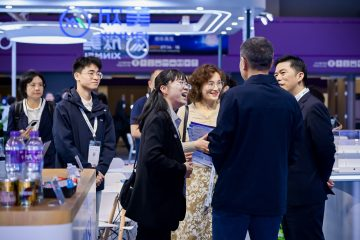
A battery exhibition can simplify the initial supplier-discovery process by bringing multiple technology providers into one environment. The Battery Show Asia 2026 featured more than 200 exhibitors and over 1,000 technologies and products across batteries, energy storage, power systems, charging infrastructure, and new-energy mobility.
Direct discussions can help engineering and procurement teams determine which suppliers are worth further qualification.
International Participation Improves Supply Chain Visibility
International exhibitions can also provide valuable market intelligence. Conversations with manufacturers and technology companies may reveal new production capabilities, regional partnerships, alternative sourcing options, and emerging technologies.
The 2026 edition of The Battery Show Asia attracted 15,367 professional buyers from 103 countries and regions. International buyers represented 62.1% of attendees, demonstrating the event’s broad international reach.
A diverse international audience allows mobility companies to compare suppliers from different markets rather than relying exclusively on existing purchasing relationships.
Collaboration Can Strengthen Supply Chain Resilience
Supply chain resilience increasingly depends on collaboration between manufacturers, suppliers, technology developers, logistics providers, and industry organizations.
The Battery Show Asia brings battery manufacturing, energy storage, charging, power systems, and mobility technologies together under one event ecosystem. This cross-industry environment can help businesses identify alternative suppliers, technology partners, and new market opportunities.
Such connections can become valuable when companies need to respond quickly to changing material availability, production requirements, or regional market conditions.
What Mobility Companies Should Prepare
Effective risk management begins before a disruption occurs. Companies can identify critical suppliers, map single-source components, monitor material dependencies, qualify alternative technologies, and regularly review logistics routes.
Engineering and procurement teams should also coordinate closely. A technically interchangeable component may still require substantial redesign or validation before it can replace an existing product.
The strongest supply strategies therefore combine supplier diversification with technical flexibility, market intelligence, and contingency planning.
The Battery Show Asia as a Supply Chain Platform
The Battery Show Asia brings together multiple layers of the battery and mobility value chain. Its exhibition covers battery manufacturing, supply-chain technologies, energy storage systems, charging infrastructure, power and energy, electrification, and new-energy mobility.
The 2026 event’s international participation further demonstrated the scale of this ecosystem, with professional buyers from Europe, North America, Southeast Asia, India, Japan, South Korea, and other regions.
The next edition will take place from July 14–16, 2027, at AsiaWorld-Expo in Hong Kong. The organizer expects more than 25,000 qualified professionals and buyers, alongside 350+ exhibitors and more than 100 international buyer delegations.
Global supply chains will remain essential to the development of mobility tech, but resilience will increasingly depend on visibility, diversification, technical qualification, and international cooperation. A platform such as the Battery Show Asia gives manufacturers, suppliers, and system integrators an opportunity to discover technologies, compare sourcing options, and develop relationships before supply chain risks become production problems.
