

Selecting suitable equipment is one of the most important decisions for dental clinics, distributors, and healthcare procurement teams. The right system can influence treatment efficiency, operator comfort, patient experience, and long-term operational costs. Understanding the differences between available solutions helps buyers make better investment decisions.
Modern clinics require reliable equipment that supports multiple procedures while maintaining smooth daily workflows. When comparing dental units, buyers should focus on design, functionality, maintenance convenience, and adaptability rather than only considering the initial purchase price.
For professional users, equipment selection involves evaluating how well a system integrates into the clinical environment. Roson provides dental solutions designed around practical clinical requirements, helping users consider important factors before choosing suitable equipment for their facilities.
Understanding the Core Functions of Dental Units
A complete evaluation of dental units should begin with understanding their role in daily clinical operations. These systems combine essential functions such as patient positioning, instrument delivery, lighting, water management, and operator controls. A well-designed unit allows dentists and assistants to complete procedures with greater efficiency.
Ergonomics is a major consideration during purchasing decisions. Dentists often spend many hours performing detailed procedures, so equipment should support comfortable working positions and reduce unnecessary movement. Adjustable chair positions, convenient instrument access, and organized layouts can improve workflow efficiency.
Another important factor is flexibility. Different clinics have different treatment requirements, including general dentistry, preventive care, and advanced procedures. Buyers should select configurations that match their current needs while allowing possible future upgrades.
Key Factors When Comparing Dental Unit for Sale Options
When searching for a dental unit for sale, buyers should evaluate several technical and practical aspects before making a final decision. The first consideration is overall functionality. Equipment should provide reliable performance while offering features that improve daily usability.
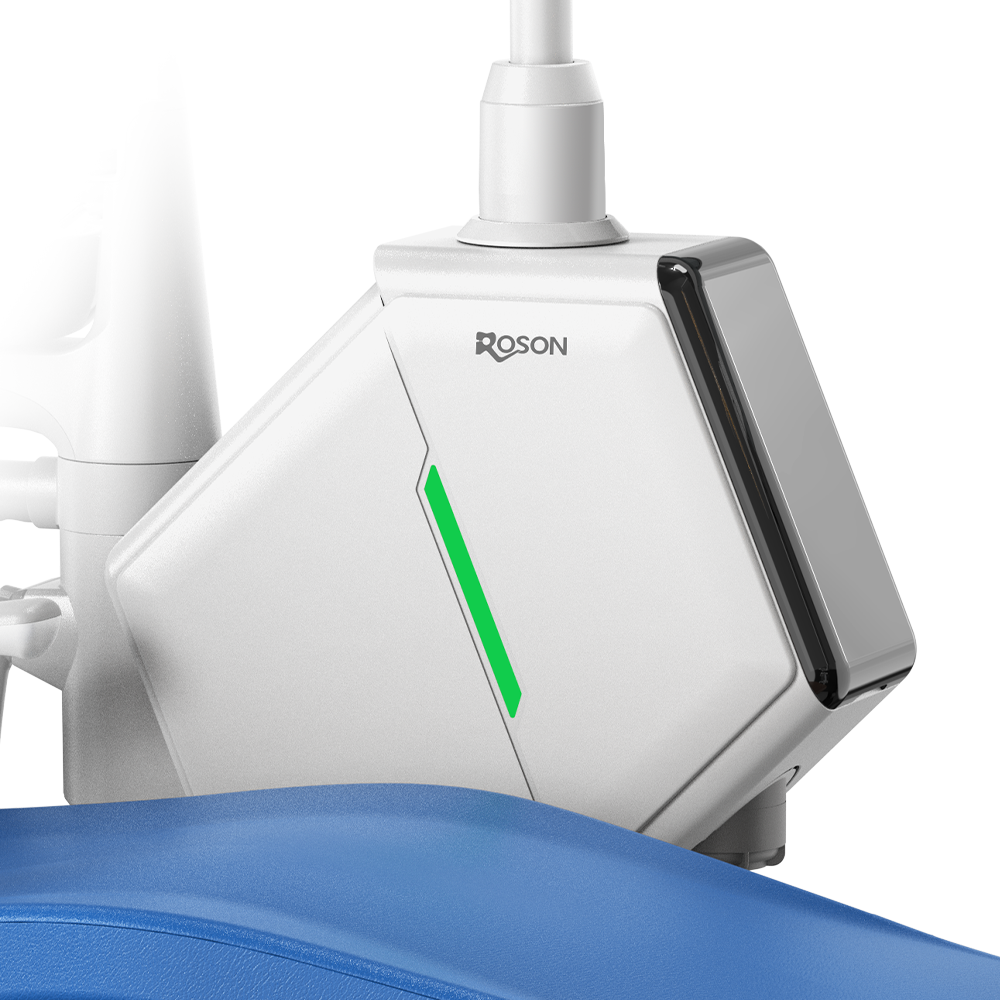
A professional comparison should include chair design, control systems, delivery structure, and cleaning functions. For example, the Roson flagship A3 model features an ergonomic design, a medical-grade color LCD display, customized configurations, and supporting functions designed for professional dental environments. These elements demonstrate how modern equipment focuses on both performance and user convenience.
Maintenance requirements are also essential for long-term value. Clinics and distributors should consider whether the equipment design allows easier inspection, cleaning, and service procedures. Systems with organized components and practical maintenance features can help reduce interruptions and support stable operations.
Evaluating Design and Workflow Integration
The physical design of equipment directly affects how efficiently a dental team can work. A well-planned system should support cooperation between dentists and assistants by reducing unnecessary steps during treatment. Proper positioning of instruments, controls, and accessories helps create a more organized workspace.
For dental units used in busy clinics, reliability and consistency are especially important. Frequent adjustments, complex operation processes, or difficult maintenance procedures may negatively affect productivity. Therefore, buyers should examine how equipment performs in real working conditions instead of focusing only on appearance.
Water management and hygiene-related functions are also important parts of modern dental equipment evaluation. Clinics need systems that support regular cleaning routines and help maintain a safer treatment environment. Buyers should review available cleaning features and understand how they fit into their infection control procedures.
Technology and Customization Considerations
Technology continues to influence the development of modern dental equipment. Digital displays, intelligent controls, and flexible configurations provide additional convenience for dental professionals. However, technology should always serve practical clinical needs rather than increase complexity without meaningful benefits.
When evaluating dental units, buyers should consider whether the equipment can be customized according to different clinic layouts and professional preferences. Customization options can help distributors provide suitable solutions for different markets and customer requirements.
Roson emphasizes practical design approaches that support professional users. The company’s product solutions demonstrate how equipment manufacturers can combine ergonomic concepts with functional features to meet changing demands in modern dental practices.
How to Make a Reliable Purchasing Decision
Before purchasing equipment, buyers should create a clear evaluation process. Important questions include: Does the system match the clinic’s workflow? Is maintenance convenient? Can the equipment support future development? Does the supplier provide reliable technical assistance?
A detailed comparison should also include product quality, manufacturing standards, and supplier experience. For distributors, choosing dependable manufacturers can influence customer satisfaction and long-term business relationships.
The search for a dental unit for sale should focus on overall value rather than simply finding the lowest price. Equipment that provides better usability, durability, and support may deliver stronger returns throughout its service life.
Conclusion
Choosing professional dental equipment requires careful evaluation of functionality, design, maintenance, and long-term value. Clinics and distributors should analyze their specific requirements before selecting a suitable solution.
By understanding the essential features of dental units, buyers can make more informed decisions and avoid challenges caused by unsuitable equipment choices. A comprehensive purchasing approach helps ensure that the selected system supports efficient treatment processes and reliable clinic operations.
For organizations comparing options, focusing on practical performance and workflow compatibility remains the most effective strategy. With the right evaluation process, a dental unit for sale can become a valuable investment that contributes to long-term clinical success. Roson continues to support professional dental environments by developing solutions focused on usability, quality, and modern practice needs.
