

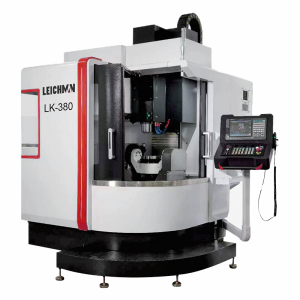
Procuring high-end industrial machinery requires meticulous financial planning and a deep understanding of market trends. As global manufacturing demands evolve, international trade partners and factory owners must learn how to optimally allocate CNC equipment procurement budgets in 2026 to maintain operational efficiency. Balancing the initial capital expenditure with long-term performance stability is the cornerstone of a sustainable manufacturing setup. Industrial buyers often face the challenge of selecting machines that offer the highest return on investment while fitting within strict fiscal limits. Working with experienced CNC equipment manufacturers allows purchasing managers to align their financial resources with precise technological capabilities, ensuring that every dollar spent directly contributes to production throughput.
Market Demands and Technology Selection
Prioritizing equipment specifications based on actual factory floor requirements prevents over-spending on unnecessary features. Metal fabrication facilities and EPC contractors look for versatile machinery that can adapt to diverse operational scenarios. Selecting mature machine models, such as multi-axis machining centers or high-precision turning systems, ensures that the workshop can handle complex workpieces without requiring multiple standalone units. When sourcing cnc equipment for sale, buyers should focus on technical alignment, choosing platforms that support custom non-standard components if their industry demands high flexibility. This targeted approach to asset acquisition eliminates wasted budget on oversized systems, allowing factories to channel saved capital into tooling or workforce training.
Sourcing and Lifecycle Savings
Selecting a manufacturing partner that manages the entire supply chain provides operational cost reductions beyond the initial purchase price. Experienced machine builders help international distributors and trade companies significantly compress overseas procurement cycles through dedicated order tracking. This seamless logistical support reduces inventory pressures and frees up working capital for the buying enterprise. Furthermore, rapid technical consultations and flexible assistance ensure that the machinery remains operational, avoiding costly downtime that destroys profit margins. When buyers rely on an expert partner like Leichman, they gain access to structured maintenance support that protects the equipment lifespan, proving that strategic procurement is about minimizing total cost of ownership rather than just chasing the lowest market price.
Conclusion
Optimal budget allocation in the modern industrial landscape depends on balancing technology readiness, multi-functional machinery selection, and reliable supplier logistics. Industrial operators succeed when they view machinery acquisition as a long-term partnership rather than a simple transaction. By choosing trusted CNC equipment manufacturers that deliver verified quality and robust after-sales support, procurement teams secure high-performance systems that drive factory growth. Investing in dependable cnc equipment for sale with professional logistical backing remains the most effective strategy for global buyers to safeguard their production stability throughout 2026.
