

Small variations in contact pressure, surface condition, or electrical current can turn a routine joining operation into a costly quality issue. Heat sink manufacturing presents particular challenges because the finished assembly must provide reliable mechanical connections while preserving the geometry needed for effective heat dissipation.
Robotic resistance welding can improve process repeatability, but automation alone cannot prevent every defect. Reliable results depend on understanding how welds form, identifying the causes of inconsistent joints, and building practical inspection measures into the production process.
Understanding Common Weld Defects in Heat Sink Manufacturing
Heat sinks often contain multiple metal components that must remain securely connected during operation. Poor weld formation can weaken the assembly, while excessive heat may cause surface damage or unwanted deformation. Defects can also affect the contact between joined components, potentially reducing the efficiency of heat transfer.
Insufficient weld strength may result from low current, short welding time, inadequate electrode force, or poor contact between the workpieces. Excessive current can cause expulsion, leaving irregular weld surfaces or damaging nearby material. Identifying the specific defect helps engineers determine whether the problem comes from process settings, material conditions, or equipment performance.
A consistent inspection method provides a useful starting point for troubleshooting. Surface checks can reveal visible irregularities, while destructive testing can assess weld strength and internal formation. The inspection plan should reflect the component design, production volume, and consequences of joint failure rather than relying on visual appearance alone.
Controlling Welding Parameters and Material Conditions
Weld quality depends on the relationship between current, welding duration, and electrode force. These variables influence how heat develops at the interface and how the joint forms under pressure. Adjusting one parameter without considering the others may solve one issue while creating another, so process changes should be tested systematically.
Material preparation also deserves attention. Oil, oxide layers, dust, and inconsistent surface finishes can change electrical contact resistance and lead to uneven heating. Dimensional variation may prevent components from sitting flush against each other, producing gaps that interfere with stable joint formation. Appropriate cleaning procedures and incoming material checks can reduce these sources of variation.
For demanding resistance welding applications, a documented parameter window helps operators distinguish normal process variation from conditions that require intervention. Trial welds should be evaluated under representative production conditions, including relevant material thicknesses and component geometries. Once suitable settings are established, controlled adjustments and regular verification help maintain repeatable results.
Using Automation to Detect and Prevent Defects
Automated equipment can position electrodes accurately and apply a repeatable welding sequence across multiple workpieces. This reduces variation associated with manual positioning, especially when components have several joining points or require consistent spacing. However, robot accuracy cannot compensate for worn electrodes, unstable fixtures, or incorrectly prepared materials.
Process monitoring offers another layer of control. Depending on the equipment, manufacturers may track current, voltage, welding time, force, or changes in electrical resistance. Unexpected readings can prompt further inspection before the same problem affects a large production batch. Monitoring data becomes more useful when each result can be linked to a specific component, welding station, or production cycle.
For a more detailed discussion of process measurement and abnormal-condition detection, see how resistance welding monitoring helps reduce weld defects and supports more informed quality-control decisions in automated welding operations.
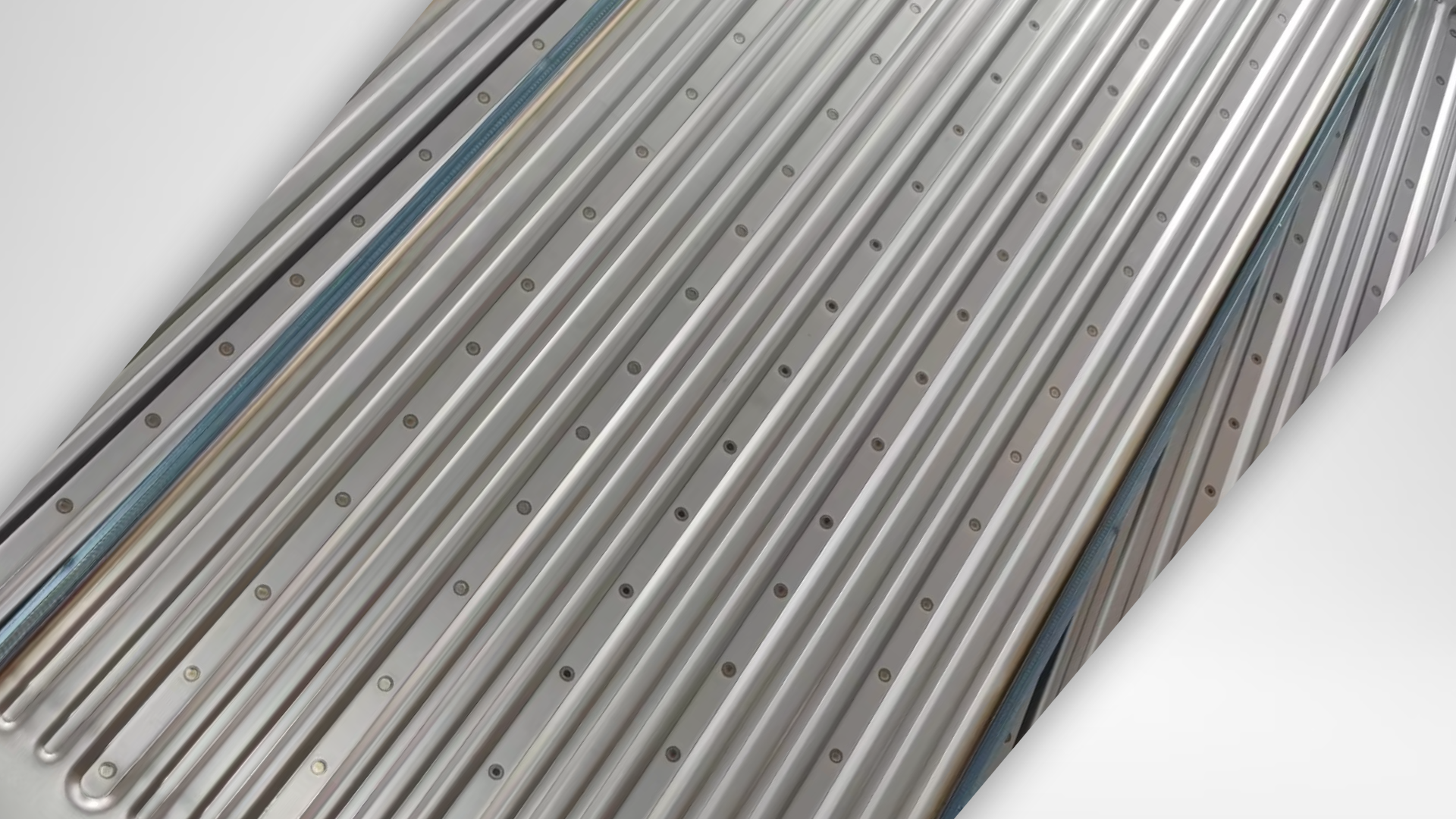
Equipment configuration should match the geometry and thermal requirements of the parts. In its heat sink welding case, Sunke presents resistance welding for secure and consistent joining of metal heat sink components. This application illustrates why suitable welding control matters in assemblies where joint integrity and component alignment are important. Engineers should evaluate the actual control functions and compatibility of a proposed system against their own materials and production requirements.
Building a Practical Quality Assurance Process
Preventive maintenance helps reduce defects associated with gradual equipment deterioration. Electrode tips wear with repeated use, while loose electrical connections, damaged cables, and fixture movement can introduce inconsistent conditions. Maintenance schedules based on operating hours, weld counts, and observed performance can help identify these problems before defect rates rise.
Statistical process control can reveal changes that are difficult to detect through isolated inspections. Teams may track defect frequency, weld strength, rework rates, and equipment downtime over time. A sudden shift in these indicators can trigger a structured investigation, allowing engineers to compare current operating conditions with previously validated settings.
Supplier evaluation should address more than the initial equipment price. Technical teams can examine parameter adjustment options, diagnostic capabilities, integration requirements, service support, and documentation quality. For manufacturers expanding robotic resistance welding, these factors help determine whether the system can support existing production needs and future changes in component design.
Conclusion
Reducing weld defects requires a clear understanding of the interaction between materials, equipment, and process settings. Effective resistance welding applications combine controlled parameters with sound component preparation, appropriate testing, and timely maintenance.
Rather than treating every defective joint as an isolated incident, manufacturers benefit from tracing recurring failures to their underlying causes. Sunke offers a heat sink welding solution that production teams can assess against their joining requirements, technical constraints, and quality control procedures.
