

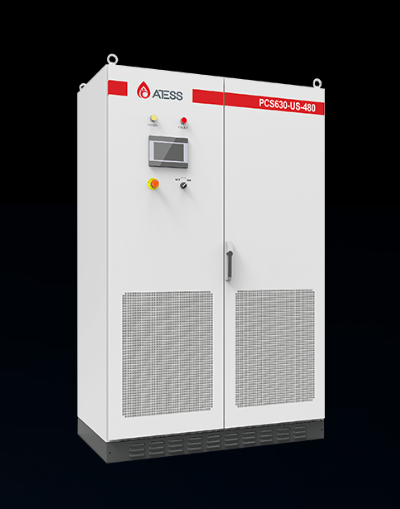
Energy management systems rely on hardware capable of managing electricity flow in multiple directions to ensure grid stability and personal power autonomy. Atess provides specialized units known as a battery inverter designed to handle these complex energy exchanges. A bidirectional inverter functions as a primary bridge, allowing power to travel between the storage medium and the electrical grid as load conditions change. By managing this flow, they ensure that storage systems are charged and discharged based on real-time operational requirements.
Technical Operation and Energy Flow
Functionality within a battery inverter depends on sophisticated internal power electronics that convert DC energy from batteries into AC power for grid or load usage. When the grid is active, a bidirectional inverter can pull electricity to charge storage modules, ensuring capacity is available for later deployment. This mechanism remains critical during peak demand, as the hardware shifts from charging to exporting power to support local loads. Because a battery inverter maintains precise control over these conversion processes, it minimizes losses while maximizing the availability of stored electricity for the facility.
Practical Applications and Efficiency
Implementation of a bidirectional inverter provides a technical advantage for sites that require flexible power management. By installing this type of system, users gain the ability to support diverse energy profiles, from simple backup needs to complex grid support tasks. The hardware automatically synchronizes with the electrical network, adjusting its output to match current load needs without manual intervention. This level of automation ensures that the energy storage system remains responsive to fluctuations in supply and demand. Furthermore, the robust architecture of these systems allows them to operate reliably over long durations, providing the consistent power support that industrial or residential setups require for sustained energy independence.
Modern electrical configurations require hardware that balances flexibility with consistent performance. Atess delivers engineering solutions that prioritize this operational efficiency, ensuring that stored power is effectively managed and deployed. Through the use of advanced power conversion, these systems provide a stable interface for managing renewable energy assets and grid connections. Proper deployment ensures that energy remains available as needed, supporting infrastructure resilience across various operating environments.
