

Digital dentistry is moving toward faster, more connected treatment workflows. Traditional restorative processes often require multiple steps between scanning, designing, manufacturing, and final delivery. Cloud-based design technology is changing this process by allowing dental professionals to complete digital preparation more efficiently and connect design directly with in-office manufacturing.
For clinics adopting chairside 3D printing, cloud-based platforms can reduce manual operations, improve collaboration, and support faster restoration production. Combined with a dental resin 3D printer, cloud workflows help transform digital patient data into physical dental products within a shorter timeframe.
SHINING 3D Dental’s Ceramix-Nano is designed for modern chairside restoration workflows. The system integrates printing and curing functions while connecting with AI-powered cloud design processes to support efficient production of permanent ceramic restorations.
What Is Cloud Based Design in Digital Dentistry?
Cloud-based dental design uses online platforms to process digital cases, manage files, and prepare restorations for manufacturing. Instead of relying only on local computers and manual file transfers, dental teams can access design tools through connected digital systems.
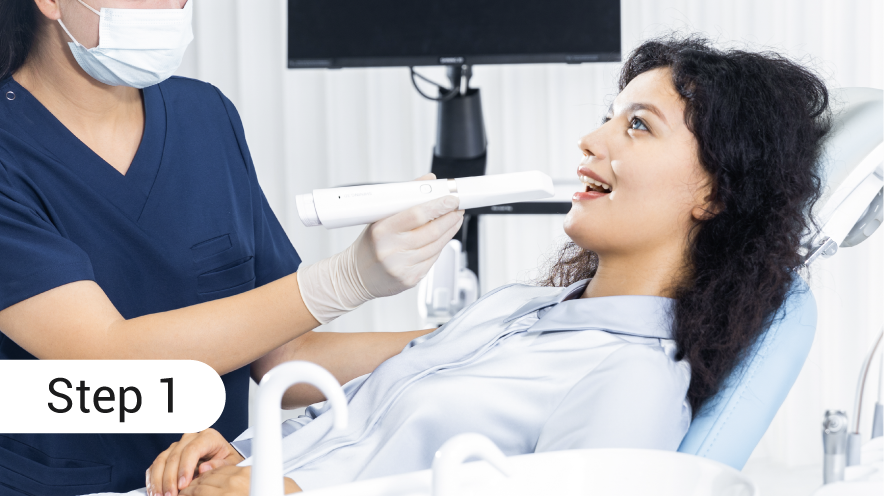
The workflow usually begins with an intraoral scan. The digital case is then uploaded to a cloud platform where design tasks, case management, and preparation processes can be completed.
After the design is finalized, the file can be transferred directly to compatible printing equipment. This connection reduces unnecessary workflow interruptions and helps create a smoother path from patient data to final restoration.
Why Cloud Workflows Matter for Same–Day Dentistry?
Same day dentistry depends on speed and coordination. A delay at any stage, including design preparation, file management, or printing setup, can affect the entire appointment schedule.
Cloud-based design helps simplify these steps by allowing digital information to move quickly between scanning, design, and manufacturing systems.
For clinics using a same-day printer, cloud integration can make the production process more efficient and easier to manage.
How Cloud Design Supports Same–Day Dental Printing?
One of the biggest advantages of cloud-based design is reducing the time required for restoration preparation. Traditional workflows may require exporting files, transferring data between systems, and manually preparing designs before production. Cloud-based workflows can automate some of these steps and provide a more direct connection between case design and printing.
SHINING 3D Dental’s Ceramix-Nano workflow combines intraoral scanning, AI-assisted design, printing, and curing. The company states that its cloud-driven workflow supports crown design through AI Design and enables the complete scan-to-restoration process within a single appointment workflow. Artificial intelligence is becoming an important part of modern dental design workflows.
SHINING 3D DENTAL Cloud’s AI-powered modules auto-generate preliminary crown, veneer and inlay restorations from intraoral scan data to reduce repetitive manual CAD operations. This AI design function acts merely as an auxiliary tool and shall never replace dentists’ professional clinical diagnosis and personalized design revisions. New clinic accounts get complimentary initial AI design credits upon registration (50 free credits included with Ceramix-Nano equipment purchase). Extra credit bundles need to be purchased once free quotas run out, and credits will only be deducted after users confirm and export the finalized restoration design files.
SHINING 3D Dental’s AI Design workflow provides cloud-based case management and AI-assisted crown design capabilities. According to the company, the system can complete design and refinement through a web-based workflow without requiring additional platform switching. After a restoration design is completed, preparation for printing is another important step.
Cloud platforms can assist with processes such as:
- File checking
- Model preparation
- Slicing
- Printing task management
This reduces manual setup and helps standardize production procedures.
SHINING 3D DENTAL Cloud provides free built-in layout adjustment, slicing and print task distribution functions compatible with Ceramix-Nano. All these print preprocessing modules are included in the free basic cloud service without extra credit consumption. Only automated AI restoration design requires credit deduction.
For clinics using a dental resin 3D printer, automated preparation can help reduce technical complexity and improve workflow consistency.
Benefits of Cloud Based Design for Chairside 3D Printing
- Reducing Treatment Time
The main advantage of combining cloud design with chairside 3D printing is workflow acceleration. When scanning, design, and printing are connected, dental teams can reduce waiting time between treatment stages. This allows suitable restorative cases to move more quickly from preparation to final delivery. A connected workflow is especially valuable for patients who prefer fewer appointments and faster treatment solutions.
- Improving Workflow Accessibility
Cloud-based systems allow dental teams to manage cases from connected devices without depending on a single workstation. This flexibility can benefit clinics with multiple treatment rooms or teams that need easier access to digital case information. For growing dental practices, cloud connectivity can support better organization and communication throughout the restoration process.
- Supporting More Consistent Results
Standardized digital workflows can reduce variations caused by manual file handling or inconsistent preparation procedures. A cloud-based system can help maintain consistent settings and workflows across different cases. When combined with a reliable same-day printer, cloud design technology creates a more predictable manufacturing process.
How Ceramix-Nano Supports Cloud Driven Dental Printing?
SHINING 3D Dental’s Ceramix-Nano is developed for chairside ceramic restoration workflows. The system combines printing and curing in a compact unit and supports applications including crowns, bridges, veneers, inlays, and onlays.
SHINING 3D DENTAL’s Ceramix-Nano printer adopts patented Adaptive Pneumatic Stereolithography (APS) technology and exclusively matches disposable LumiCera ceramic resin capsules. Per official SHINING 3D DENTAL technical specifications, the system takes around 8 to 11 minutes to print a single crown under standard conditions, with integrated on-machine curing finished within 3 minutes. Printing cycles for multi-unit bridges will be extended accordingly.
Integrating free cloud file management, pay-per-credit AI restoration design and the all-in-one Ceramix-Nano chair-side printing system creates a complete single-visit restorative workflow for dental clinics. Clinics can control long-term digital design costs by purchasing credit bundles matching their daily crown production volume.
Cloud Design vs Traditional Local Design Workflow
In a conventional digital workflow, files may need to move through multiple systems before reaching production.
Common challenges include:
- Manual file transfers
- Multiple software platforms
- Additional setup steps
- Increased communication requirements
These extra steps can slow down production and increase workflow complexity.
Advantages of Cloud Based Workflows
Cloud-based systems simplify communication between digital stages. They help dental teams manage cases more efficiently by connecting design and manufacturing processes. For clinics adopting chairside 3D printing, cloud workflows can make digital restoration production easier to integrate into daily operations.
Considerations Before Adopting Cloud Based Dental Design
- Internet and Data Management
Cloud-based workflows depend on reliable internet connections and secure digital platforms. Clinics should evaluate network stability and data management practices before implementation. Patient information should always be handled according to applicable privacy and security requirements.
- Team Training
Although cloud workflows can simplify operations, dental teams still need proper training.
Staff should understand:
- Case uploading procedures
- Design review processes
- Printing preparation
- Workflow management
Training helps ensure that digital tools are used effectively.
- Equipment Compatibility
Cloud design solutions should work smoothly with existing digital dentistry equipment. When selecting a dental resin 3D printer, clinics should consider whether the system supports connected workflows and future digital expansion.
The Future of Same Day Dental Printing
Cloud technology is expected to play an increasingly important role in digital dentistry. As AI design, automated preparation, and connected manufacturing continue to improve, dental professionals will have more opportunities to create efficient treatment workflows.
The combination of cloud-based design and chairside manufacturing represents a shift toward more integrated dentistry. Instead of separating scanning, design, and production into independent stages, digital systems are bringing these processes together.
Conclusion
Cloud-based design is helping reshape how dental professionals approach same day restoration workflows. By connecting digital case management, AI-assisted design, and manufacturing preparation, cloud technology improves efficiency and supports faster treatment delivery.
For clinics using chairside 3D printing, integrating cloud workflows with a dental resin 3D printer can simplify production and improve workflow control.
With solutions such as SHINING 3D DENTAL‘s Ceramix-Nano, dental teams can explore connected digital manufacturing approaches that support modern restorative dentistry and more efficient patient care.
