

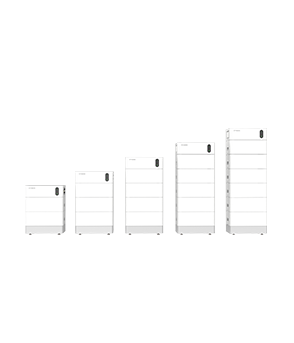
The global transition toward reliable renewable energy has transformed energy storage from a luxury into a core operational asset. As businesses and larger households seek to maximize solar self-consumption and ensure uninterrupted power, traditional low-voltage configurations often hit performance and scalability ceilings. This is where high-voltage architectures become essential.
Determining exactly when to deploy a Stackable High Voltage LiFePO4 Home Battery System depends on specific load profiles, physical space constraints, and long-term expansion goals. For both modern residential builds and Commercial and Industrial (C&I) projects, these systems offer distinct advantages over low-voltage alternatives.
Optimizing High-Demand Residential Systems
In residential sectors, standard low-voltage (48V) batteries work well for basic lighting, appliances, and modest backup needs. However, modern smart homes and larger estates operate much like micro-commercial hubs, featuring heavy loads such as central HVAC systems, electric vehicle (EV) fast chargers, and heat pumps.
When a residential project requires high peak power output, a high-voltage system becomes necessary. Higher voltage means the system can deliver the same amount of power with significantly less current. This reduction in current minimizes thermal losses and drastically improves round-trip efficiency during rapid charging and discharging cycles.
Furthermore, high-voltage setups require thinner, more cost-effective wiring. This simplifies installation and reduces physical space constraints. A stackable high voltage LiFePo4 battery is particularly advantageous here due to its modular design. Instead of dealing with complex external wiring and bulky rack installations, installers can simply stack modules vertically. This saves valuable floor space in residential garages or utility rooms while allowing homeowners to scale their capacity as their energy needs grow.
Powering Commercial and Industrial (C&I) Operations
For small-to-medium C&I projects—such as boutique hotels, agricultural facilities, multi-family residential complexes, and small manufacturing plants—energy requirements are defined by strict operational demands and financial ROI. These projects typically prioritize two main objectives: reducing peak demand charges from the utility grid and ensuring seamless backup power to prevent costly operational downtime.
C&I applications demand massive power delivery that low-voltage systems cannot efficiently sustain without requiring excessively thick, expensive cabling and suffering heavy energy losses. High-voltage battery banks integrate seamlessly with three-phase commercial hybrid inverters. This setup provides the rapid response times needed for peak shaving, where the battery discharges during peak tariff hours to lower utility costs.
In these commercial settings, lithium iron phosphate (LiFePO4) chemistry is the industry standard due to its exceptional thermal stability, non-toxic composition, and long cycle life. When a business expands its operations or adds new machinery, a stackable architecture allows for painless capacity upgrades. This eliminates the need to replace the entire energy storage infrastructure, protecting the initial capital investment.
Key Scenarios Demanding Stackable High-Voltage Architectures
To help B2B project managers, EPC contractors, and system integrators select the right technology, here are the primary scenarios where stackable high-voltage LiFePO4 systems are the ideal choice:
Frequent EV Fast Charging: Integrating one or more level 2 or DC fast chargers requires sudden, massive bursts of current that low-voltage systems struggle to sustain efficiently.
Microgrid and Off-Grid Independence: Remote luxury residences or isolated C&I sites require robust, reliable power that can handle high surge currents from starting large motors or industrial pumps.
Space-Constrained Urban Projects: When square footage is at a premium, vertical stacking maximizes energy density per square meter, eliminating the need for expansive dedicated battery rooms.
Phased Capital Investment: For projects where the ultimate energy capacity needs are uncertain, a stackable design allows clients to buy what they need today and add modules seamlessly later.
Engineering Excellence with Dyness
For tier-one solar installers and commercial system integrators looking to deliver these high-efficiency solutions, choosing an experienced manufacturing partner is vital. Working with a dedicated OEM/ODM provider ensures that the hardware integrates perfectly with local grid codes and diverse inverter protocols.
As an established leader in global energy storage, Dyness develops advanced, high-voltage battery platforms specifically engineered to meet these demanding residential and C&I criteria. By focusing on premium LiFePO4 chemistry, robust battery management systems (BMS), and user-friendly stackable form factors, these systems optimize installation workflows and deliver long-term reliability for your commercial portfolio.
Conclusion
Whether you are designing a high-end, energy-independent residential property or configuring a resilient energy management system for a commercial facility, stackable high-voltage LiFePO4 systems deliver the efficiency, power, and scalability that modern energy landscapes demand. Moving away from low-voltage limitations allows installers to future-proof their projects, maximize investment returns, and provide clients with dependable, high-capacity energy independence.
